
Cozyhub Construction Blog Charlotte NC

Insights & Guides

Our Blog

ADU tips, building guides, and real estate insights for Charlotte homeowners

When it comes to buying a home, one of the biggest decisions you'll face is whether to purchase an already built property or build your own from the ground up. While both options have their advantages, building a house offers several benefits that might make it the better choice for some buyers.

Pros of Building from the Ground Up

Complete Customization
One of the biggest advantages of building your own house is the ability to design every aspect according to your needs and preferences. You aren't limited to the pre-existing layouts of homes on the market. Whether you want a spacious open-plan living area, a large kitchen island, or a custom home office, you have full control.

Choice of Materials
When you build a house, you can select materials that suit your taste, budget, and environmental concerns — from high-end finishes to sustainable materials. You're not confined to the "builder-grade" selections that often come with pre-built homes.

Higher Quality Control
By being involved in the building process, you can ensure quality is up to your standards at every step. In contrast, with an already built house, you may not have full insight into the construction history and the quality of materials used.

Built-In Equity
When you build from the ground up efficiently, your house can be worth more than what you paid in construction costs, allowing you to enter the property with built-in equity.

Cons of Building from the Ground Up

Financing Challenges
You may need a combination of land and construction loans. Lenders often require larger down payments or higher credit scores for these types of loans.

Time Commitment
Building a home is a time-consuming process. The design process can take months, and construction can span several more months — meaning it can be a year or more before you're ready to move in.

Uncertainty in Timeline and Costs
Unlike a pre-built home with a fixed price, building carries the risk of delays and unexpected costs. Weather delays, material price changes, and unforeseen site complications can all impact your budget.

Conclusion

The decision depends on your personal preferences, budget, and timeline. Building offers customization and quality control, but requires time and careful financing. Consider your lifestyle and long-term goals to determine which option fits best.

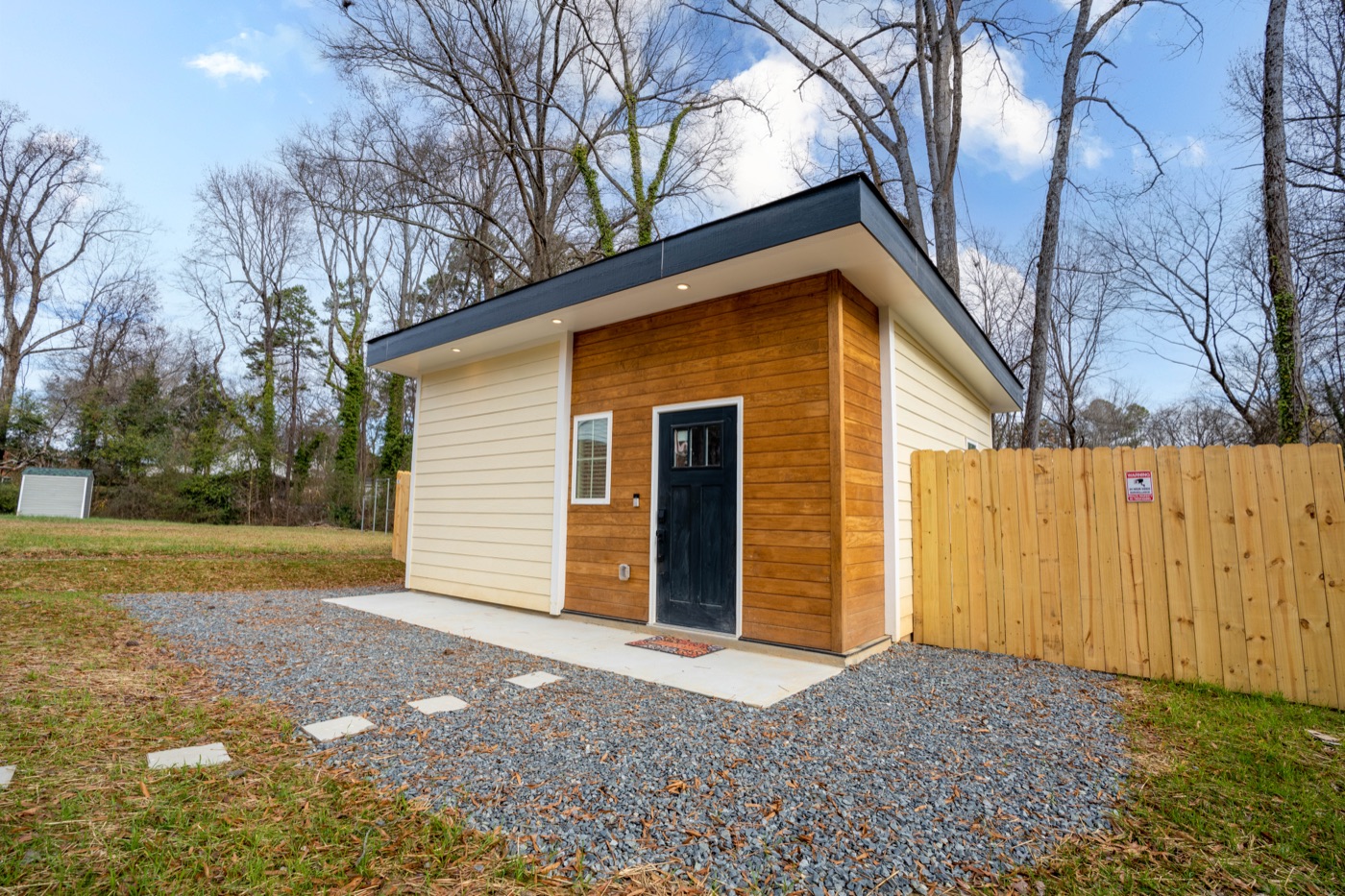
In today's real estate market, homeowners are exploring innovative ways to increase property value, generate passive income, and create more versatile living spaces. Building an ADU in your backyard is one of the most effective strategies available to Charlotte homeowners.

Pros of Building an ADU

Increased Property Value
A well-built ADU can boost the overall value of your home, making it a smart investment. Whether you're looking to sell in the future or simply increase long-term value, an additional living space makes your property more attractive to potential buyers.

Additional Income Stream
Renting out an ADU can provide a consistent income stream to offset mortgage payments or generate extra cash. In Charlotte, rental demand is strong, and an ADU can provide steady income with minimal ongoing maintenance.

Versatility in Usage
ADUs can serve as: a guest house for visiting family, a private space for aging parents or adult children, a home office or studio, or a short-term vacation rental. The flexibility to repurpose the space over time is a major advantage.

Cost-Effective vs. Buying a Larger Home
If you want more space but don't want to move, building an ADU is far more cost-effective than purchasing a new property. You maximize the use of your existing land without the hefty price tag of buying new.

Cons of Building an ADU

Upfront Investment
ADUs require an initial investment. Costs vary based on size, materials, design complexity, and site conditions. Homeowners may need to secure financing through a home equity loan or construction loan.

Zoning and Permits
Before building, you must understand local zoning regulations. In Charlotte, ADUs are legal in most residential lots, but lot size, setbacks, and HOA rules can all impact your project. We handle all of this for you.

Maintenance Responsibilities
Owning an ADU means additional maintenance. You'll need to keep the unit in good condition — routine upkeep, repairs, and landscaping add to the overall commitment of ownership.

Conclusion

Deploying an ADU strategy is a smart way to increase property value, create rental income, and add flexibility to your property. The benefits typically outweigh the challenges. Contact us to explore how we can help you turn your backyard into a smart investment.

Start Building

Ready to Add an ADU to Your Property?

We serve Charlotte, NC and surrounding Mecklenburg County. Reach out for a free consultation to discuss your property and ADU options.

Get a Free Consultation