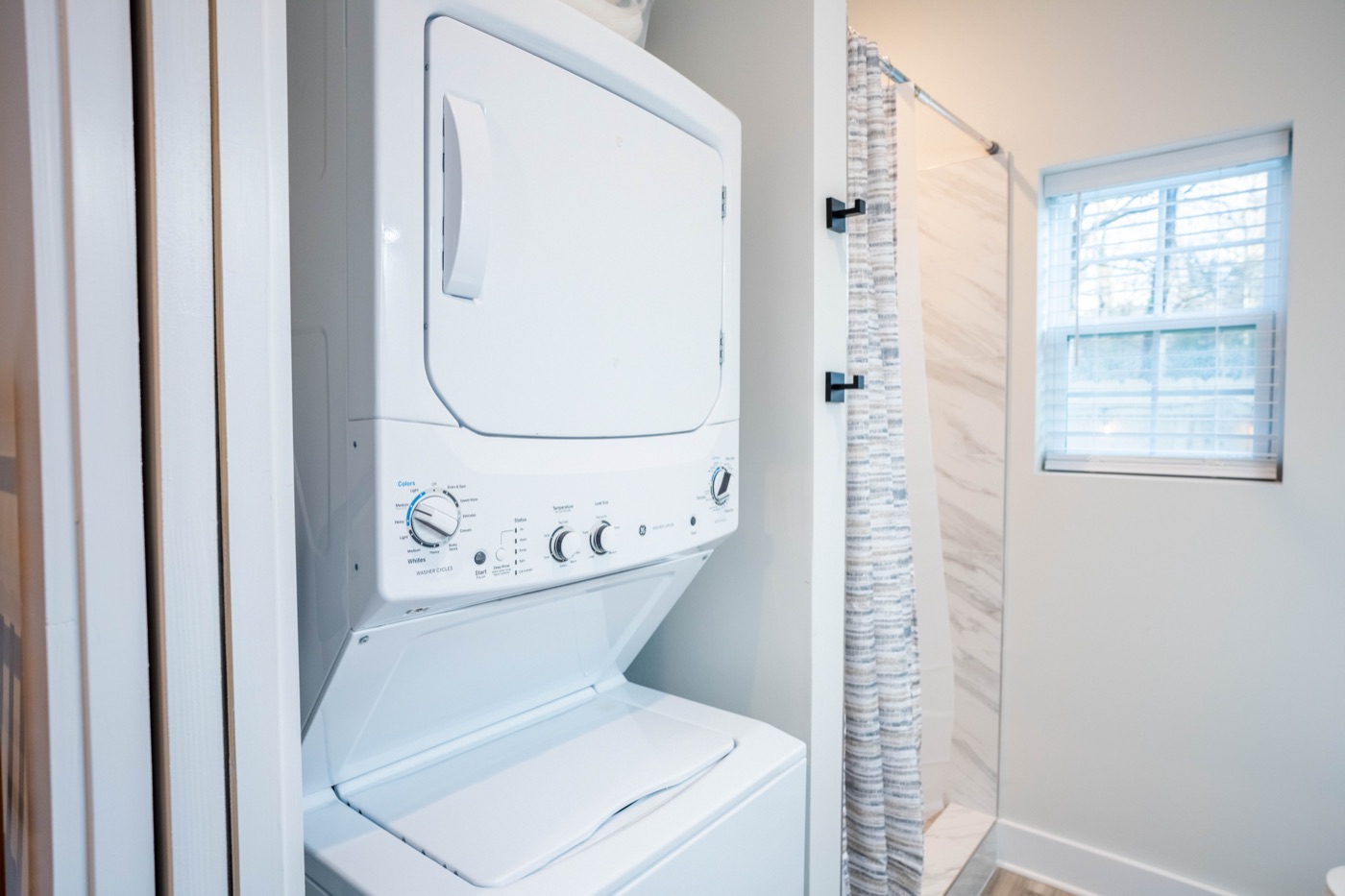
An Accessory Dwelling Unit (ADU) is a secondary, self-contained living space located on the same property as a primary home. Often referred to as a "granny flat" or "in-law suite," an ADU can either be a detached structure in the backyard or an attached unit with a separate entrance. These units typically feature a full kitchen, bathroom, and living area, making them fully functional and independent. ADUs are versatile and can serve as rental properties, guest houses, or housing for extended family members, adding both functionality and value to a property.
What are the benefits of building an ADU?+
Building an ADU can significantly increase your property value by adding additional heated and livable space to your existing lot. Unlike constructing on a new property, an ADU leverages your existing land — eliminating the need to purchase an additional lot and making it a cost-effective expansion option.
ADUs are highly versatile: they can provide a comfortable and independent living space for elderly parents, serve as rental units to generate additional income, or be used as guest houses for visiting family and friends. This flexibility makes ADUs a smart investment that enhances both the functionality and financial potential of your property.
Can I build an ADU on any property?+
ADUs are allowed on most residential lots. However, if your property is part of a homeowners association (HOA), you'll need to verify whether they permit ADUs on your lot.
For more detailed information specific to your property and its requirements, contact us and we'll guide you through the process.
Costs
How much does it cost to build an ADU?+
The cost of building an ADU can vary widely depending on several factors: the size of the unit, the materials used, site conditions, and the placement of the ADU on your property. Soil quality can affect foundation design, and building on a slope or in a tight space may require additional work.
The distance to existing utilities — water, sewer, and electricity — can also impact the overall cost. If the ADU is located far from the main house, extending utility connections adds to the budget.
Due to these variables, it's important to evaluate your specific property to estimate the total cost accurately. Contact us for a tailored estimate.
Permits & Legality
Are ADUs legal in Charlotte, NC?+
Yes, ADUs are legal in most residential lots in Charlotte, NC. However, several factors determine the allowable size and specifications of an ADU — such as lot size, setbacks, and the square footage of the main house. These factors can vary significantly, making each ADU project unique.
Contact us to discuss the details of your specific property. We can help you navigate local regulations and design an ADU that meets your needs and complies with Charlotte's zoning requirements.
Do I need a permit to build an ADU?+
Yes, permits are required to build an ADU. If your property is within city limits, permits must be obtained from the city. If your property is outside city limits, permits are required from the county.
We handle the entire permitting process for you — making it completely stress-free. With our established processes and experience in securing permits, we ensure a smooth start to your ADU project so you can focus on the exciting parts.
Timeline
How long does it take to build an ADU?+
If you choose one of our existing plans, we can typically secure the necessary permits within 30–45 days, unless your situation is particularly unique. Once permits are in place, construction usually takes anywhere from 4 to 6 months, depending on factors like weather conditions, site readiness, and material availability.
In total, you can expect your brand-new ADU to be ready within 6 to 12 months. Contact us to explore our existing plans and get started.
ADU Types
What are the different types of ADUs?+
There are two main types of ADUs: attached and detached. Both types include their own private entrance and a full kitchen, making them fully self-contained living spaces.
Detached ADUs are standalone units built separately from the main house. They tend to be more expensive than attached ADUs due to additional construction requirements and utility connections.
Attached ADUs are connected to the main house, often created by converting or adding onto existing spaces. This is a more cost-effective option since existing utilities and infrastructure are already in place.
Each type offers unique benefits depending on your property and budget. Contact us to explore which option works best for you.
Still Have Questions?
We're Here to Help
Every property is unique. Reach out and we'll answer your specific questions and walk you through your ADU options in Charlotte.